Lids & glands
Blepharitis
Persistent crusting, itchy lids and irritated eyes deserve a closer look. At Dry Eyes Los Angeles in Westwood, we assess the lashes, eyelid margins and tear film to understand what is driving your symptoms.
Book a dry eye evaluation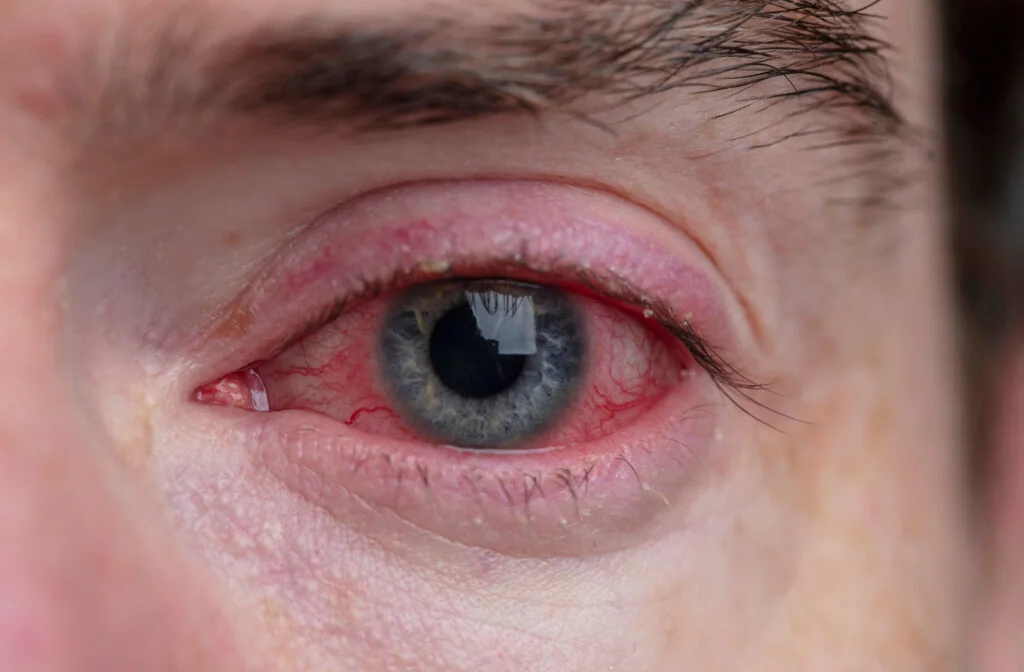
Understanding the different types
Anterior blepharitis affects the lash line and front edge of the eyelids. Bacterial overgrowth and seborrheic skin changes can contribute to flakes, crusting and irritation.
Posterior blepharitis involves the inner eyelid margin, often alongside meibomian gland dysfunction. Blocked glands or altered oils can make the tear film less stable. Rosacea may contribute.
Demodex blepharitis is related to microscopic mites around the eyelash follicles. Characteristic sleeves of debris called collarettes at the lash bases help your doctor identify it. Demodex-related disease may coexist with other forms of blepharitis and needs targeted assessment; routine cleaning alone may not address it.
Why blepharitis can lead to styes
When blepharitis remains poorly controlled, ongoing inflammation, debris and gland blockage can increase the likelihood of styes and chalazia. A stye is usually a tender, infected eyelid gland or lash follicle; a chalazion is an inflammatory lump caused by retained oil in a blocked meibomian gland.
Recurring bumps are a reason to assess the underlying eyelid disease, including meibomian gland dysfunction, rosacea and Demodex when findings suggest it. Managing these contributors can help reduce recurrence, although no treatment guarantees that bumps will never return.
Your evaluation and care
Your visit begins with OCULUS Keratograph 5M imaging and measurements, followed by a doctor consultation and magnified examination of the eyelids and ocular surface. We look for the specific pattern of inflammation and explain what the findings mean.
Your plan may include a tailored home-care routine, professional eyelid cleaning, medication or targeted Demodex treatment when appropriate. Follow-up helps us assess your response and adjust ongoing care.
When to seek prompt care
Seek prompt assessment for significant eye pain, reduced vision, marked light sensitivity or redness and swelling that are spreading. Persistent symptoms or recurring eyelid lumps should be examined.
Medically reviewed by Lorin Vogel, OD · October 27, 2026 · Meet the doctors
Sources & further reading
Westwood Village
Start with a closer look.
Meet with a dry eye doctor in Westwood to understand your symptoms and your options.